
Economic Profile
A productive regional economy built on innovation and resilience
Clutha District is home to a diverse and productive economy with strengths in agriculture, food and fibre, manufacturing, tourism, construction and renewable energy. While our primary industries remain the foundation of the local economy, businesses across the district continue to innovate, add value and export to markets throughout New Zealand and around the world.
The district generates more than $1.33 billion in annual GDP, supported by more than 3,000 businesses and over 9,600 filled jobs. Clutha's economy has continued to grow despite a challenging national environment, demonstrating the resilience that comes from a strong productive sector and a culture of innovation.
Whether you are looking to establish a new business, expand an existing operation or invest in the region, Clutha offers a stable economic base, competitive operating costs, excellent infrastructure and access to skilled people.
Why Investors Choose Clutha

Strong, Resilient Economy
Growing while the national economy contracted.

Leading Food, Fibre & Forestry
One of New Zealand's strongest food, fibre and forestry regions.

Advanced Manufacturing
Strong processing capability and export industries.

Capacity for Growth
Affordable land, available workforce, excellent infrastructure and supportive local partnerships.
At A Glance
Annual GDP |
$1.33 billion |
GDP Growth (2025) |
+1.4% |
Businesses |
3,069 |
Filled Jobs |
9,609 |
Population |
Approximately 18,800 |
Largest Industry |
Agriculture, Forestry & Fishing |
Largest Employer |
Agriculture, Forestry & Fishing |
A Resilient Economy
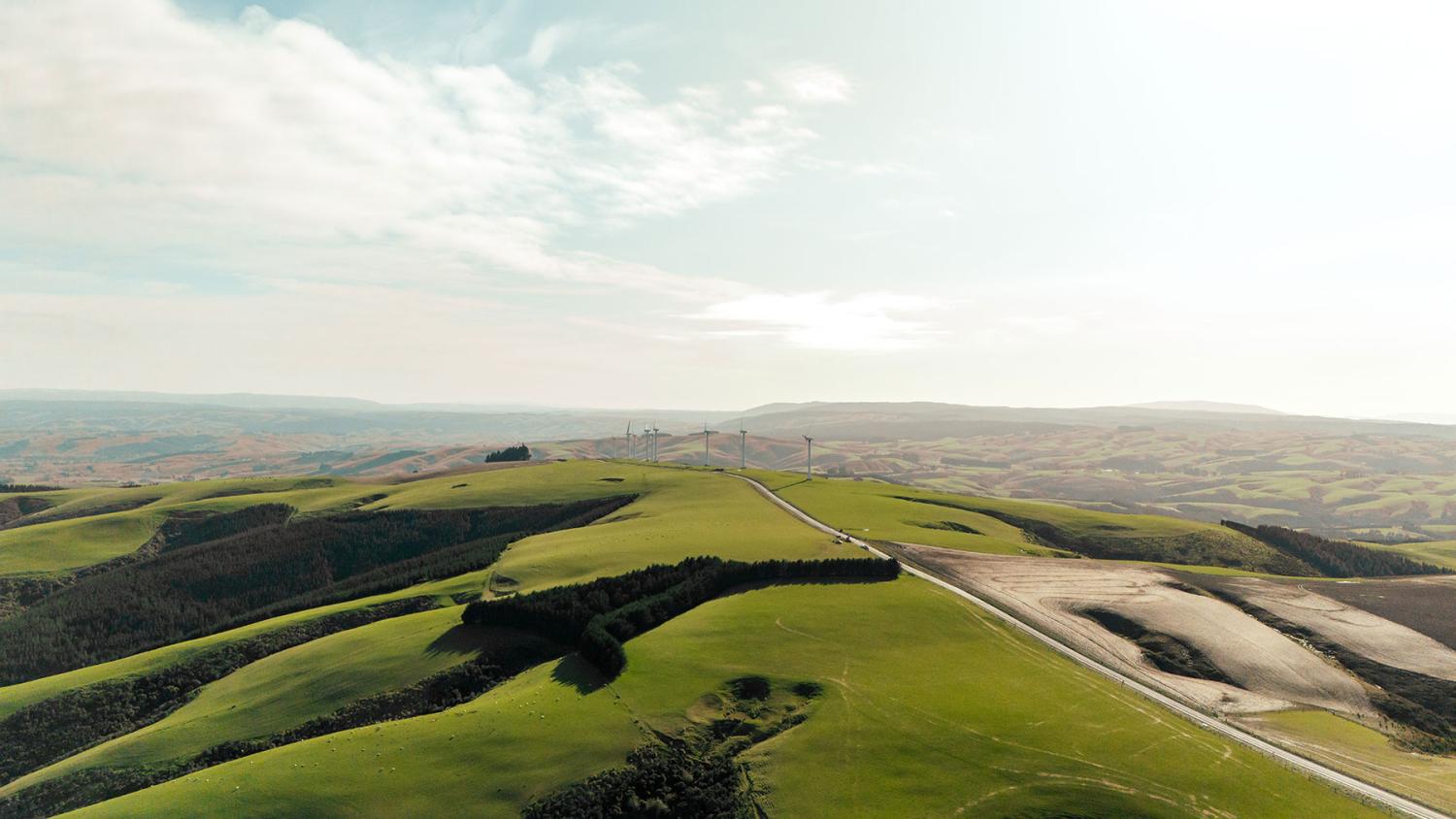
While New Zealand's economy contracted by 0.9% in the year to March 2025, Clutha recorded economic growth of 1.4%, reflecting the strength of the district's productive industries and the resilience of local businesses. GDP reached $1.33 billion, with agriculture, manufacturing and construction continuing to underpin economic activity.
The district's economy has consistently demonstrated an ability to adapt to changing market conditions, supported by strong export industries, ongoing investment and businesses with long-term confidence in the region.

A Productive Economy
Clutha has one of New Zealand's most productive regional economies.
The district's economy is characterised by businesses that transform natural resources into high-value products, supported by engineering, transport, logistics and specialist services. Agriculture alone contributes almost one-third of total economic output, while manufacturing represents nearly 12%, reflecting the district's strong value-add processing capability.
This combination of primary production and manufacturing creates a highly integrated economy where businesses support one another through local supply chains.
Diverse Industry Strengths
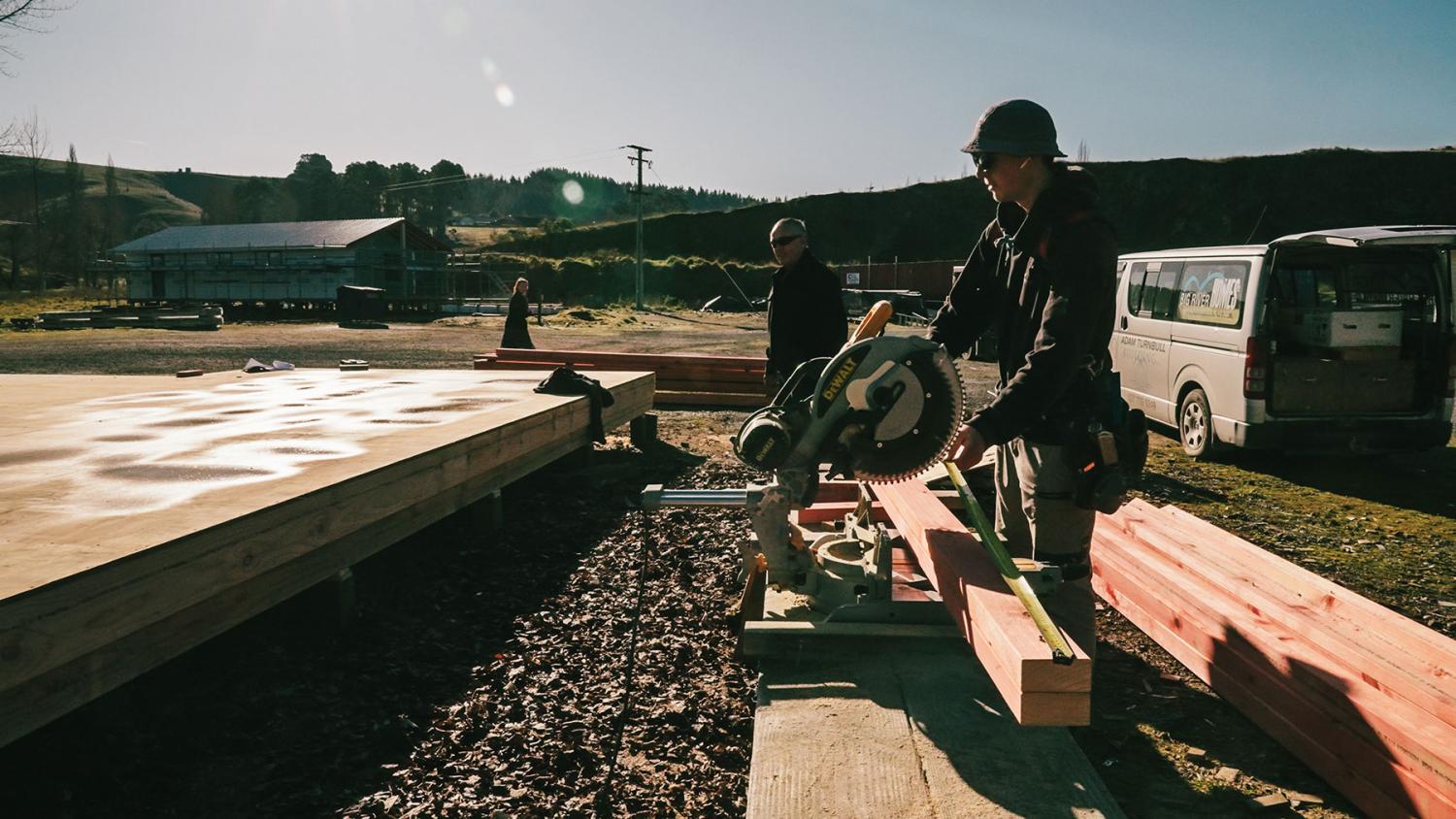
Clutha's economy is built around several complementary sectors rather than relying on a single industry.
Key contributors include:
- Agriculture, forestry and fishing
- Manufacturing
- Construction
- Tourism and visitor services
- Food and fibre processing
- Transport and logistics
- Public services including education and healthcare
While primary industries account for approximately 31.5% of GDP, manufacturing contributes a further 11.7%, demonstrating the district's strength in value-added production rather than simply producing raw commodities.
Competitive Advantages
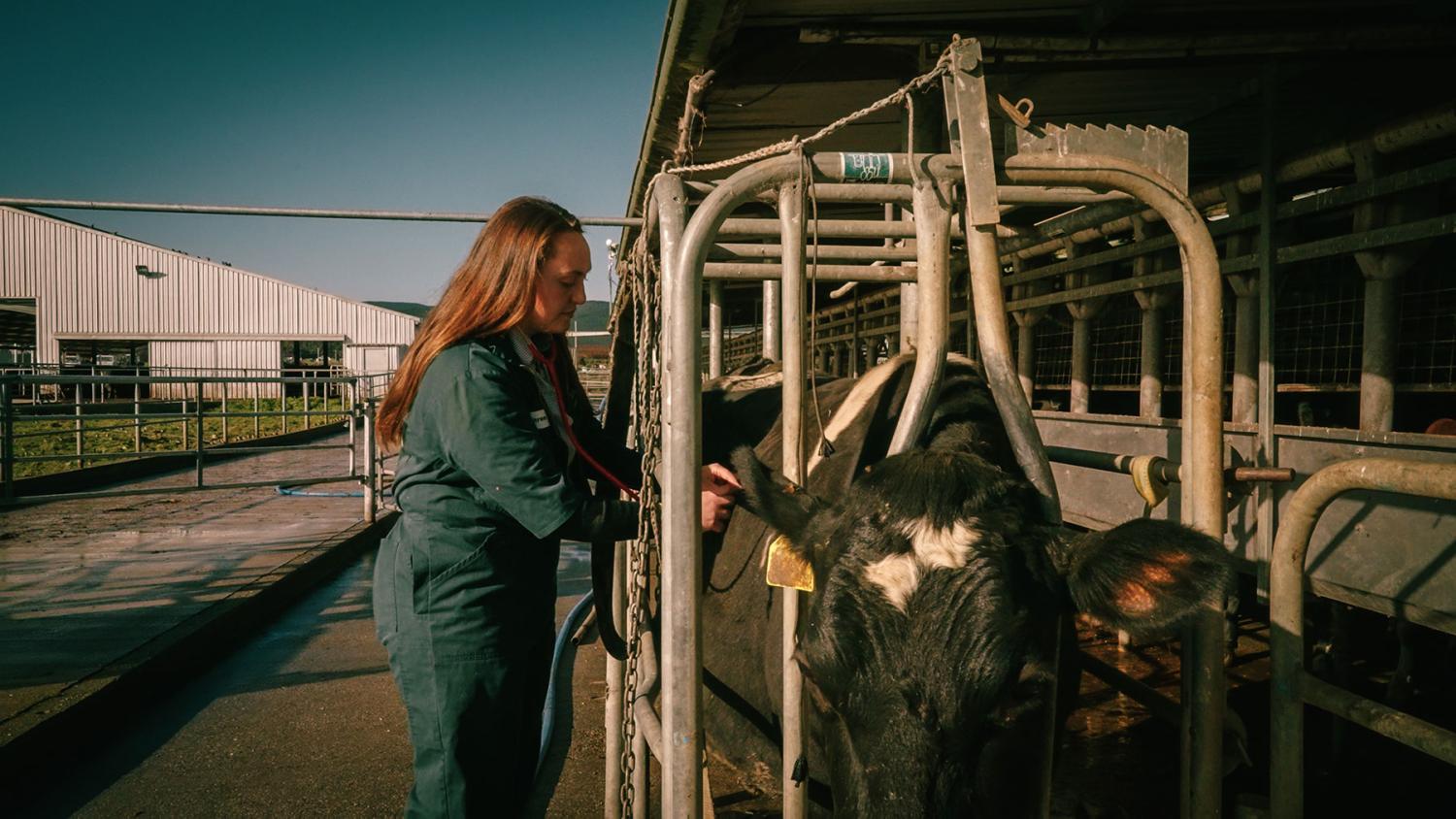
Clutha has nationally significant strengths in industries where it enjoys a strong competitive advantage.
The district ranks particularly highly in:
- Sheep, beef and grain farming
- Meat processing
- Forestry and logging
- Dairy farming
- Dairy product manufacturing
- Wood product manufacturing
These industries have developed over generations and continue to benefit from experienced businesses, skilled workers, established supply chains and excellent access to domestic and international markets.

Looking Ahead
Clutha continues to build on its traditional strengths while embracing new opportunities in advanced manufacturing, renewable energy, agritech, automation, tourism and food innovation.
With affordable industrial land, strong infrastructure, a collaborative business community and access to regional and national markets, the district is well positioned for sustainable long-term growth.